

※This article includes promotions.
Hakodate is one of the most approachable and rewarding destinations in Hokkaido, especially for travelers who want to experience history, scenery, and local food without rushing.
With its famous night view, walkable historic districts, fresh seafood, and seaside hot springs, Hakodate offers a well-balanced travel experience that feels distinctly different from other Japanese cities.
This guide provides a clear overview of what to do in Hakodate, how to get around, when to visit, and where to stay, along with local favorites loved by Japanese visitors. Whether you’re planning a short trip or a slower, more relaxed stay, this article will help you plan your Hakodate itinerary with confidence.
Written by a Japanese traveler who has visited Hokkaido many times and genuinely loves the region, this guide reflects local perspectives and practical insights you won’t always find in overseas travel articles.
目次
Where Is Hakodate? – A Quick Introduction
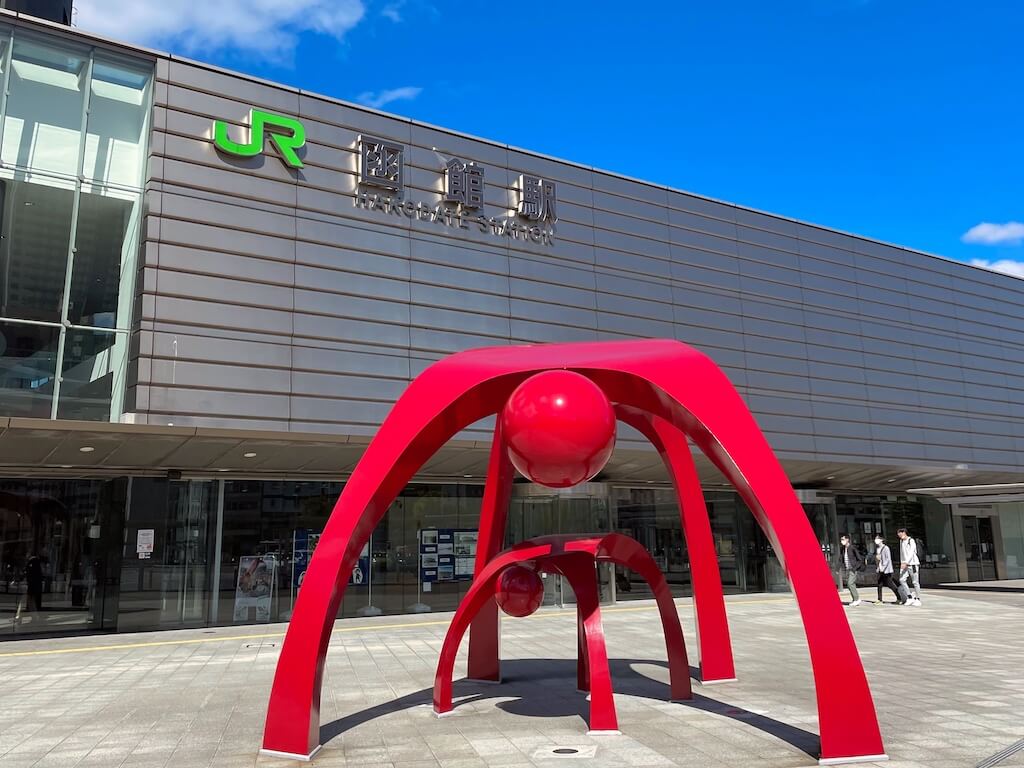
Hakodate is a port city located at the southern tip of Hokkaido, Japan’s northernmost island.
Thanks to its position facing both the Pacific Ocean and the Tsugaru Strait, Hakodate has long served as a gateway between Hokkaido and the rest of Japan.
In the mid-19th century, Hakodate became one of the first Japanese cities to open to international trade.
This history is still visible today in areas like Motomachi, where Western-style buildings, churches, and historic streetscapes create a unique atmosphere rarely found elsewhere in Japan.

Despite its rich history and diverse attractions, Hakodate remains a compact and easy-to-navigate city.
Major sightseeing areas are well connected by public transportation, and many spots can be explored on foot, making Hakodate an excellent destination for both first-time visitors to Japan and travelers looking for a relaxed, walkable city.
Best Things to Do in Hakodate
①Enjoy the Night View from Mount Hakodate
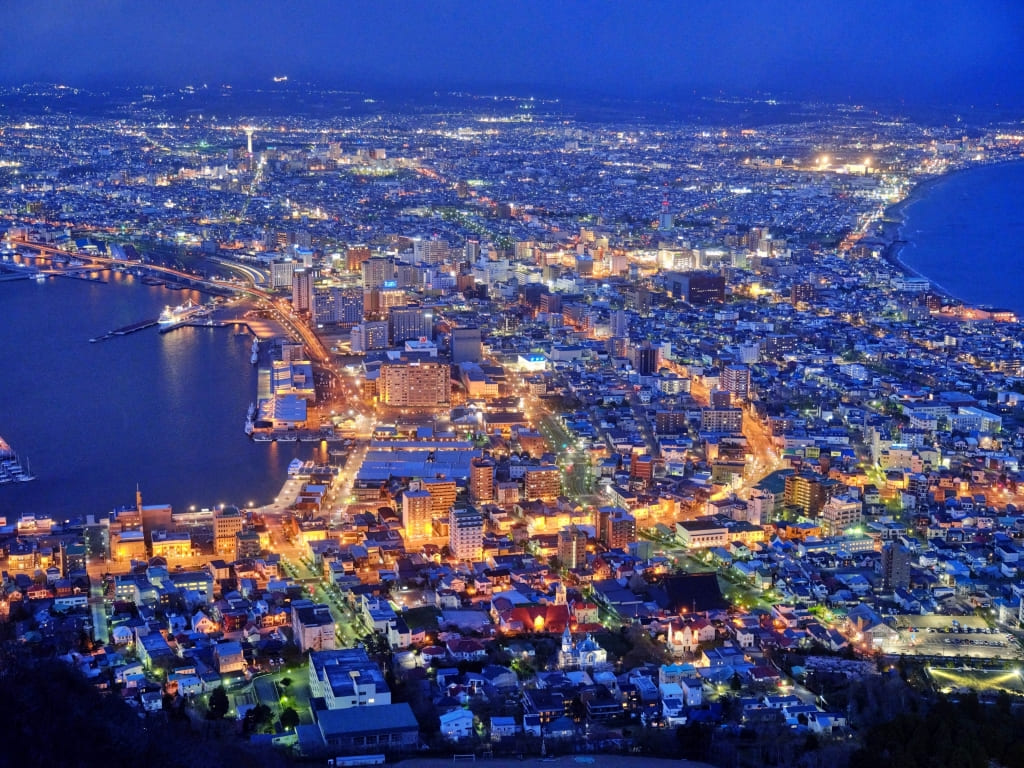
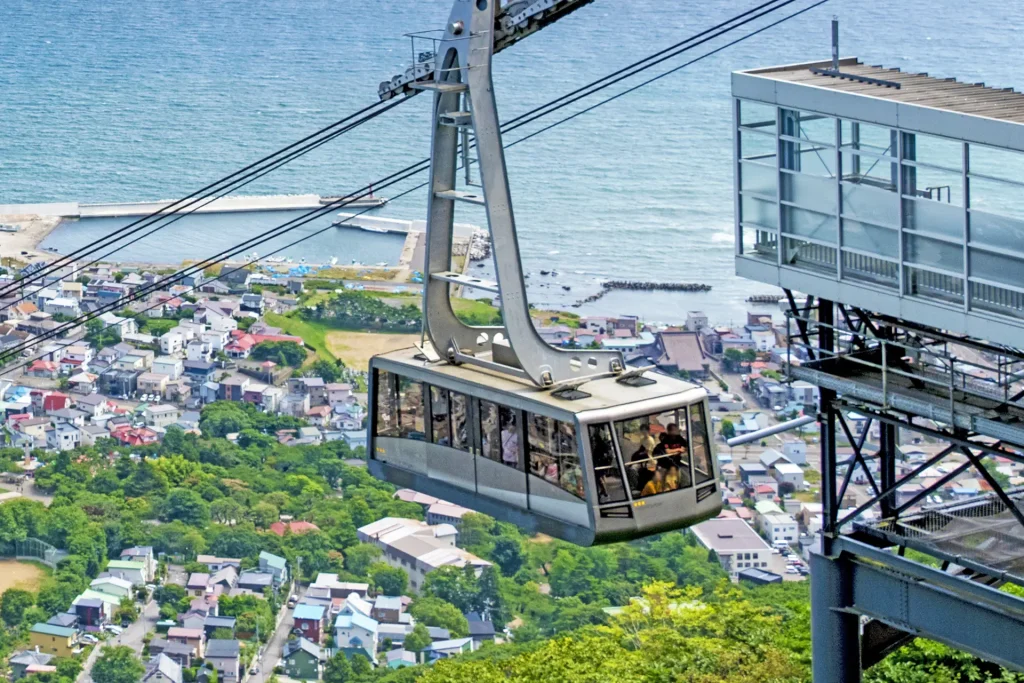
Mount Hakodate offers one of the most famous night views in Japan.
From the observation deck, you can see the city lights stretching out between the sea on both sides, creating a stunning panorama.
You can reach the top by ropeway, bus, or taxi. The best time to visit is just after sunset, when the sky slowly turns dark and the city lights begin to shine.
This spot is a must for photographers and first-time visitors.
Ropeway:
The easiest and most popular option.
Take a tram or bus to Jujigai or Mt. Hakodate Ropeway stop, then ride the ropeway to the summit.
👉 See official ropeway information & timetable
Bus:
Seasonal buses run from Hakodate Station to the top of Mount Hakodate.
👉 See official ropeway information & timetable
②Explore the Historic Motomachi District
Motomachi is one of the most atmospheric areas in Hakodate, known for its Western-style buildings, churches, and quiet hillside streets.
What makes this area special is its history as one of the first places in Japan where foreign residents were officially allowed to live in the late 19th century.
As you walk through Motomachi, you are not just sightseeing—you are walking through a chapter of Japan’s early international history.
Before exploring the individual sights, take a look at the map below to see how the main attractions in the Motomachi area are located in relation to each other.
The numbers on the map correspond to the photos and descriptions below, making it easy to follow the walking route through Motomachi.
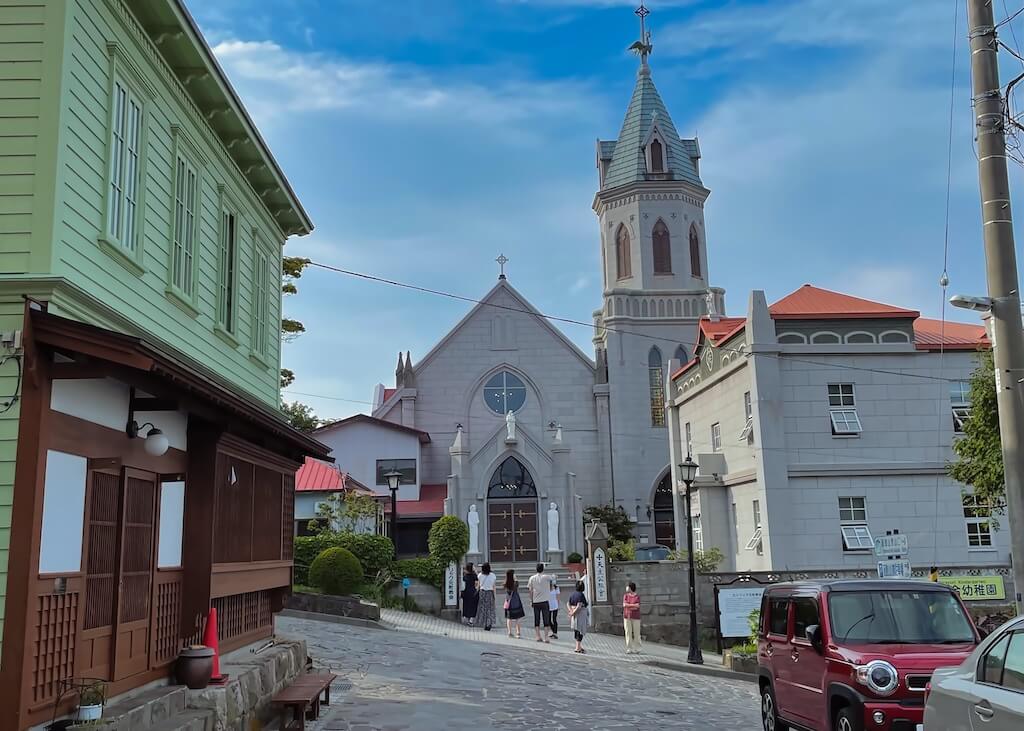
This church was built for foreign missionaries and residents after Hakodate opened its port to the world.
Unlike traditional Japanese temples, its architecture clearly reflects European religious influence, symbolizing the cultural exchange that shaped the city.
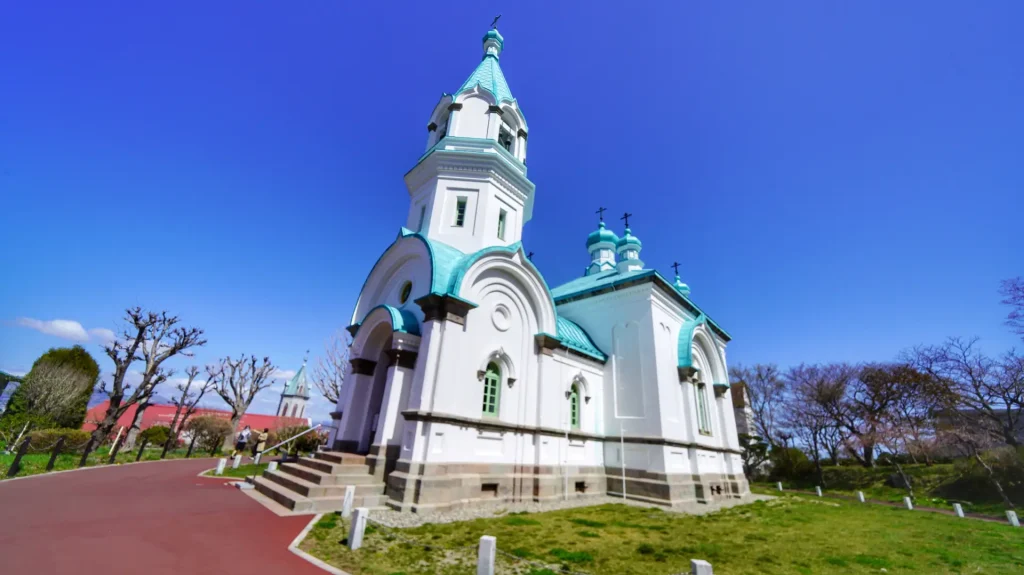
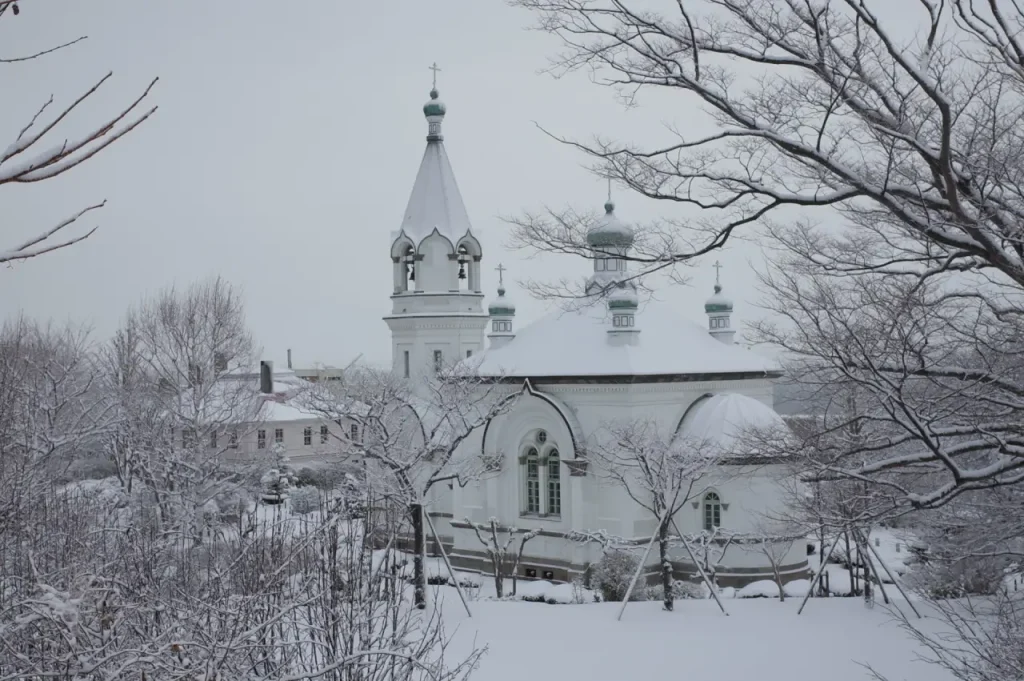
Introduced by Russian missionaries, this church represents the strong historical connection between Hakodate and Russia.
Its distinctive onion-shaped dome is rare in Japan and stands as a reminder that Hakodate was once a truly international port city.
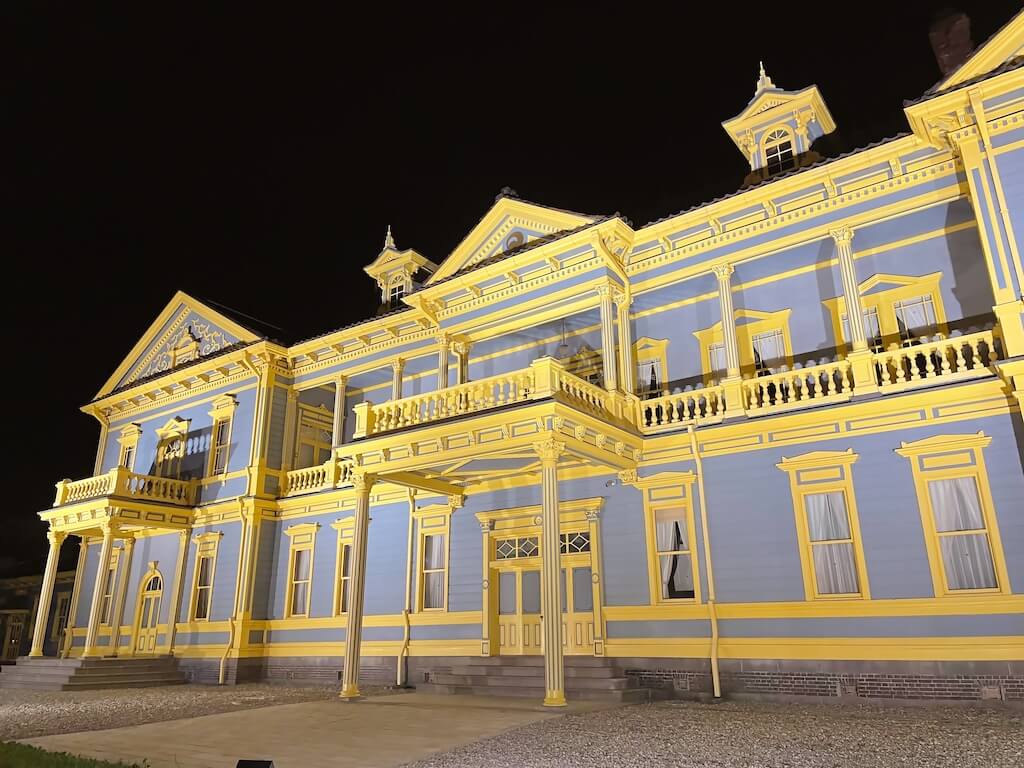
Built in 1910, this Western-style hall was used to welcome foreign diplomats and important guests when Hakodate was one of Japan’s earliest international ports.
Its elegant design reflects how Japan adopted Western architecture during the Meiji era.
From inside, visitors can also enjoy panoramic views over the Motomachi district.
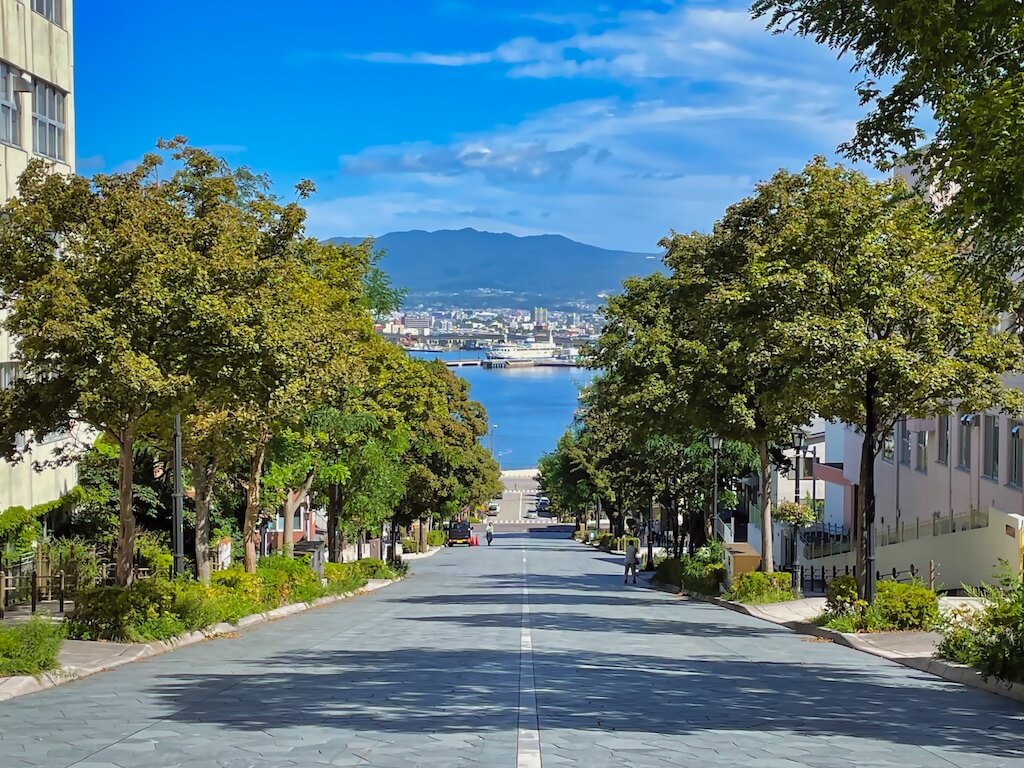
One of the most famous streets in Hakodate, Hachimanzaka offers a straight view down to the harbor.
The slope was designed as part of early city planning, making it both practical and visually impressive. It is now one of the most photographed spots in the city.
③Visit Goryokaku Park & Goryokaku Tower
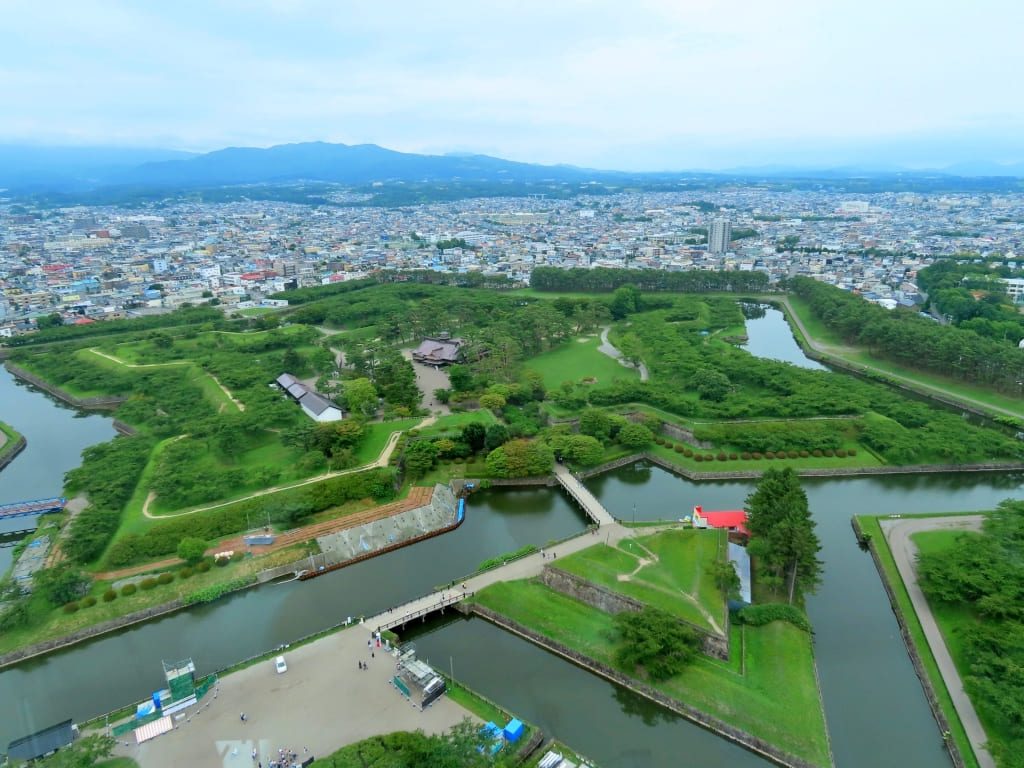
Goryokaku is a unique, star-shaped fort that played an important role in Japanese history.
Today, it is a spacious public park that can be enjoyed year-round.
For the best view, visit Goryokaku Tower, where you can clearly see the star-shaped design from above.
In spring, the park becomes one of Hokkaido’s most popular cherry blossom spots.
Address:
Goryokaku Tower Corporation
43-9 Goryokaku-cho, Hakodate, Hokkaido 040-0001
👉 Check on GoogleMap
Other information:
👉 See official site
④Taste Fresh Seafood at Hakodate Morning Market

Hakodate Morning Market is famous for its incredibly fresh seafood.
You can enjoy seafood bowls topped with squid, crab, salmon roe, and sea urchin.
The market opens early in the morning and is located near Hakodate Station, making it an easy stop for breakfast or brunch.
Even if you are not hungry, it is fun to walk around and experience the lively atmosphere.
Kikuyo Shokudo (きくよ食堂) is one of the most famous restaurants in the market.
It is well known for its generous seafood bowls, often topped with uni (sea urchin), salmon roe, and crab—making it a popular choice for first-time visitors.
Hakodate morning market:
・Address: 9-22 Wakamatsucho, Hakodate, Hokkaido 040-0063
・Opening hours: 5 AM–1:30 PM(Hours vary by shop – see the official website for details)
Popular Restaurant: Kikuyo Shokudo (きくよ食堂)
・Address: 11-15 Wakamatsucho, Hakodate, Hokkaido 040-0063
⑤Relax at Yunokawa Onsen

Yunokawa Onsen is Hakodate’s main hot spring area, located close to Hakodate Airport.
It is a great place to relax after a day of sightseeing or before leaving the city.
Many hotels offer ocean views and open-air baths.
There are also facilities that allow day-use visits, even if you are not staying overnight.
Location
Yunokawa area, Hakodate, Hokkaido, Japan
Located at the terminal stops of the Hakodate City Tram (Yunokawa-Onsen / Yunokawa stations)
👉 Search and compare Yunokawa Onsen hotels here
・Expedia ・Booking.com ・Hotels.com
⑥Take a Walk Along the Bay Area

Hakodate’s Bay Area is a pleasant waterfront district where historic port scenery meets modern cafes and shops.
It is an easy place to visit on foot and works well as a relaxed stop between sightseeing spots.
Kanemori Red Brick Warehouses are the highlight of the area.
Originally built as warehouses during Hakodate’s trading era, they have been converted into shopping, dining, and event spaces.
Today, they are best known for their scenic harbor views, souvenir shops, and beautiful night illumination.
Location
14-12 Suehirocho, Hakodate, Hokkaido 040-0053
Located near the Meijikan-mae (明治館前) tram stop on the Hakodate City Tram
Shop info
👉 See official site
Local Favorites Loved by Japanese Visitors
Beyond the main sightseeing spots, Hakodate is also known for its unique local food culture.
These two places are especially popular with Japanese travelers and offer a taste of everyday Hakodate.
Lucky Pierrot

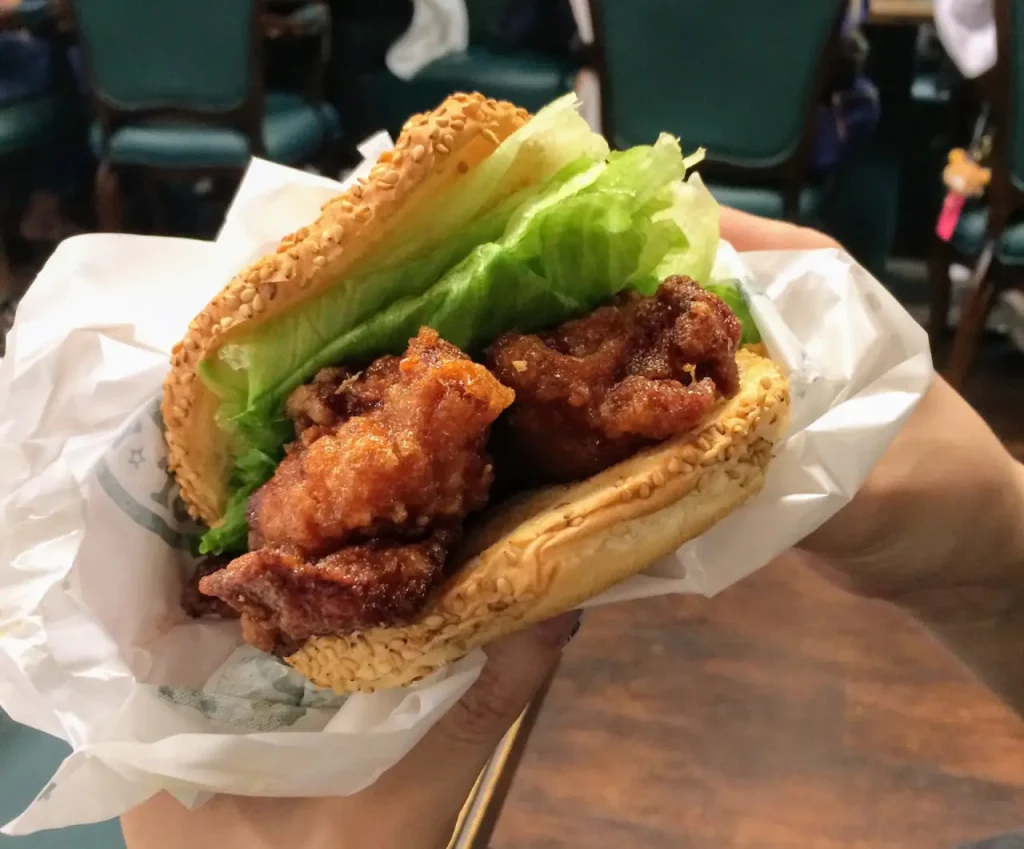
Lucky Pierrot is a local fast-food chain found only in the Hakodate area.
It is famous for its creative menu and retro atmosphere, with the Chinese Chicken Burger being the most iconic item.
Visiting Lucky Pierrot is less about gourmet dining and more about experiencing something truly local and fun.

Many branches are scattered around the city, but the Bay Area location is especially popular, as it is easy to visit while sightseeing near the Red Brick Warehouses and the port.
Location
14-17 Suehirocho, Hakodate, Hokkaido 040-0053
Shop info
👉 See official site
Hasegawa Store – Yakitori Bento

Hasegawa Store is a convenience-store-style chain known for its yakitori bento, a boxed meal topped with grilled pork.
Despite the name, the “yakitori” here is actually pork, reflecting a unique Hokkaido food tradition.
It is a casual, affordable option that many locals pick up for a quick and satisfying meal.
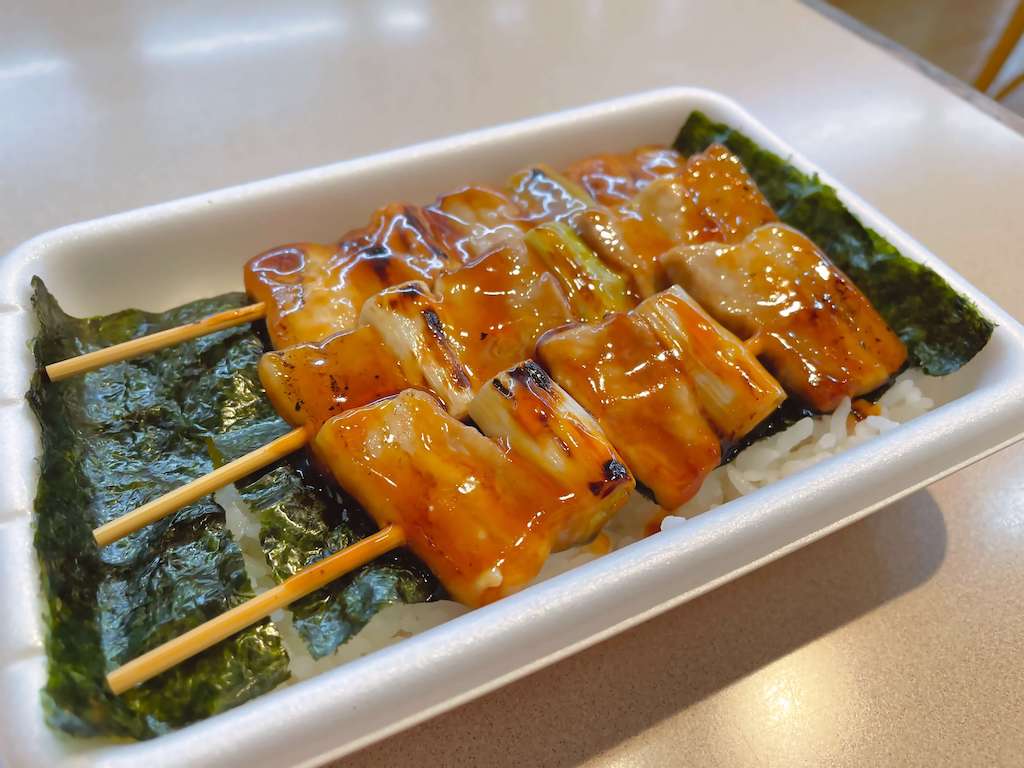
Hasegawa Store has several locations across Hakodate, but the most recommended one for visitors is the branch near the Bay Area, which is easy to combine with sightseeing around the harbor and red brick warehouses.
Things to Do in Hakodate by Travel Style
- First-time visitors:
Mount Hakodate, Motomachi, Goryokaku Park - Food lovers:
Hakodate Morning Market, local seafood restaurants - Photography lovers:
Mount Hakodate night view, Motomachi streets, Bay Area - Relaxing trips:
Stay at Yunokawa Onsen, seaside walks
How Many Days Do You Need in Hakodate?

- 1 day: Focus on Mount Hakodate, Motomachi, and the Bay Area
- 2 days: Add Goryokaku Park, the Morning Market, and relax at Yunokawa Onsen.
- 3 days: Enjoy Hakodate at a slower pace, with more time for walking, cafes, and seasonal sights.
Hakodate is compact, so even a short visit can be very satisfying.
Best Time to Visit Hakodate
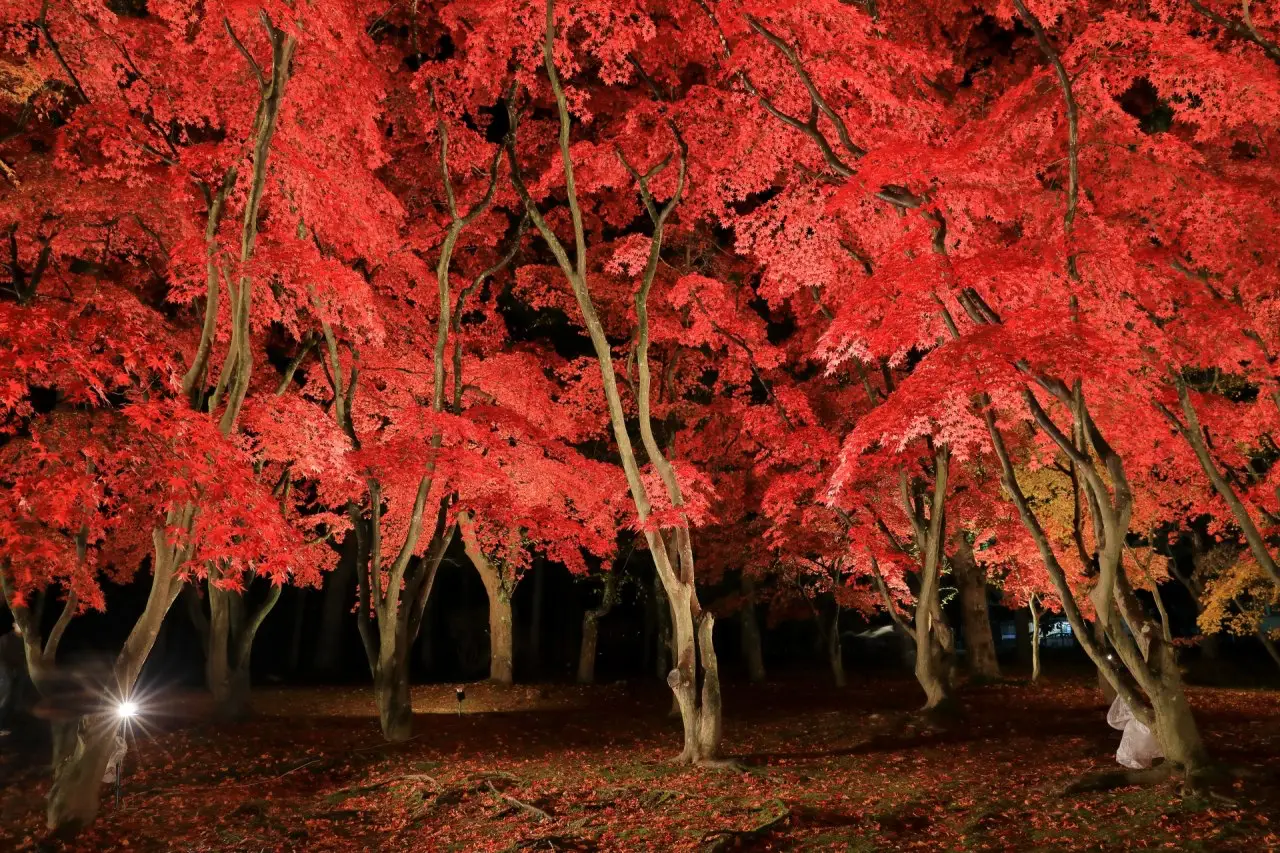
- Spring: Cherry blossoms at Goryokaku Park
- Summer: Pleasant weather and fresh seafood
- Autumn: Mild temperatures and beautiful autumn leaves, especially at Kōsetsuen Garden.
- Winter: Snowy scenery and clear night views
Hakodate offers beautiful scenery in every season, making it a rewarding destination year-round.
How to Get Around Hakodate
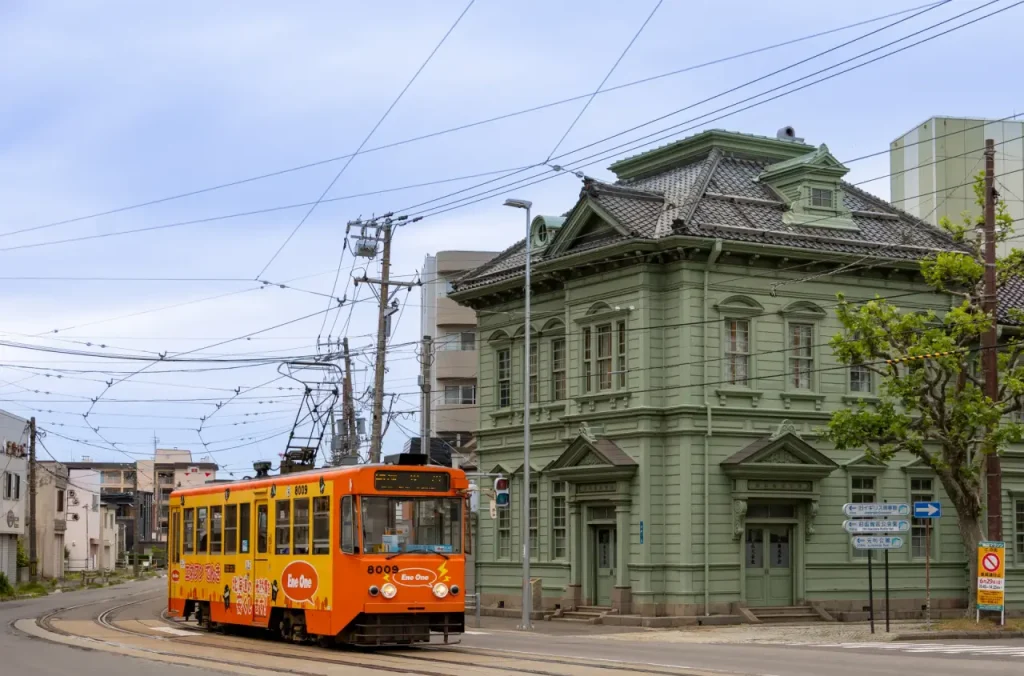
Hakodate has a convenient public transportation system that is easy for visitors to use.
Trams are the easiest way to reach major sightseeing areas, including Hakodate Station, the Bay Area, Motomachi, Goryokaku Park, and Yunokawa Onsen, and many spots are also within walking distance.
Hakodate offers several transportation passes for sightseeing, covering the city tram and local buses.
For details on pass types, validity periods, and coverage, please refer to the official Hakodate City transportation website.
How to Get to Hakodate
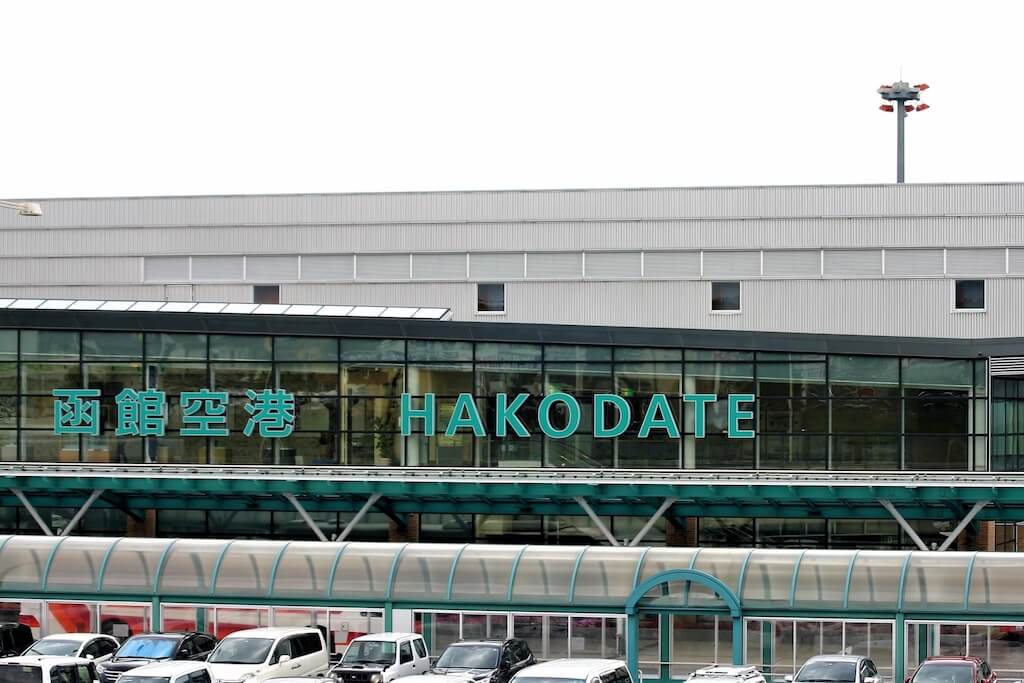
Hakodate is located in southern Hokkaido and can be reached easily by both air and rail.
Depending on where you are coming from and how much time you have, there are a few practical options.
From Tokyo
Flying is the fastest and most common choice.
Direct flights operate from Tokyo’s Haneda Airport to Hakodate Airport multiple times a day, with a short flight time of around 80 minutes.
When planning your trip, keep in mind the additional time needed to reach the airport and pass through security.
Traveling by train is a good option if you prefer a more relaxed journey.
The Hokkaido Shinkansen connects Tokyo Station with Shin-Hakodate-Hokuto Station, and the total travel time is about four hours.
From there, local trains take you into central Hakodate.
From Sapporo
The most common way to travel from Sapporo to Hakodate by train is the Limited Express Hokuto.
The journey takes just over four hours and runs directly between Sapporo Station and Hakodate Station, making it the simplest rail option.
Flights are available from New Chitose Airport, with a much shorter flight time, but prices can be high depending on the season.
Many travelers choose the Limited Express Hokuto for its balance of cost, convenience, and direct access to the city center.
Where to Stay
Hakodate offers a wide range of accommodation options, and choosing the right area can make your trip much more convenient.
Here are the best areas to stay, depending on your travel style.
Near Hakodate Station
Staying near Hakodate Station is the most convenient option for first-time visitors.
This area offers easy access to the Morning Market, trams, buses, and JR trains, making it ideal for short stays and sightseeing-focused trips.
Motomachi & Bay Area
Motomachi and the Bay Area are perfect if you want to stay close to historic streets, scenic views, and evening walks.
Hotels here offer a more atmospheric experience, especially for travelers who enjoy photography and a relaxed pace.
Yunokawa Onsen
Yunokawa Onsen is the best choice for travelers looking to relax in hot springs.
Located near the airport and at the end of the tram line, this area is ideal for overnight stays that include onsen baths and ocean views.
No matter where you stay, Hakodate’s compact size and efficient public transportation make it easy to get around the city.
Final Thoughts

Hakodate is a compact and easy-to-navigate city, yet it offers a rich mix of night views, history, nature, and local food culture.
Whether you are interested in classic sightseeing spots, relaxing hot springs, or uniquely local experiences loved by Japanese visitors, Hakodate has something to offer in every season.
With efficient public transportation and a variety of accommodation areas to choose from, it is an ideal destination for both short trips and longer stays.
We hope this guide helps you plan a smooth and memorable visit to Hakodate.